
Classical Conditioning
The first consumer behaviour approach to discuss is known as “classical conditioning, this occurs when a stimulus that elicits a response is paired with another stimulus that initially does not elicit a response on its own. Over time, this second stimulus causes a similar response because it is associated with the first stimulus” (Pachauri, 2001).
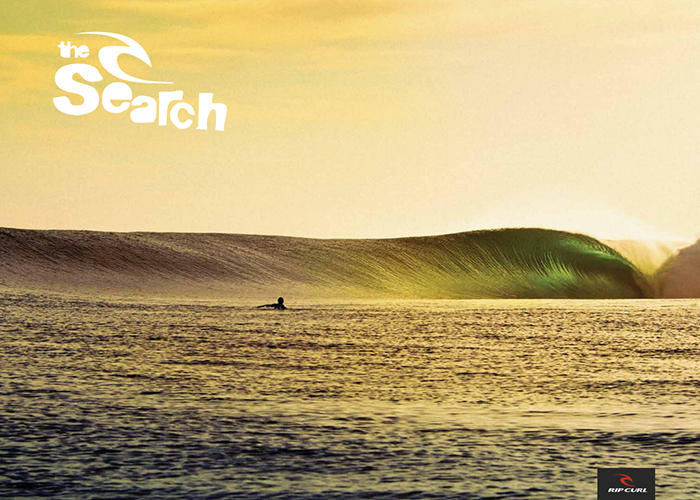
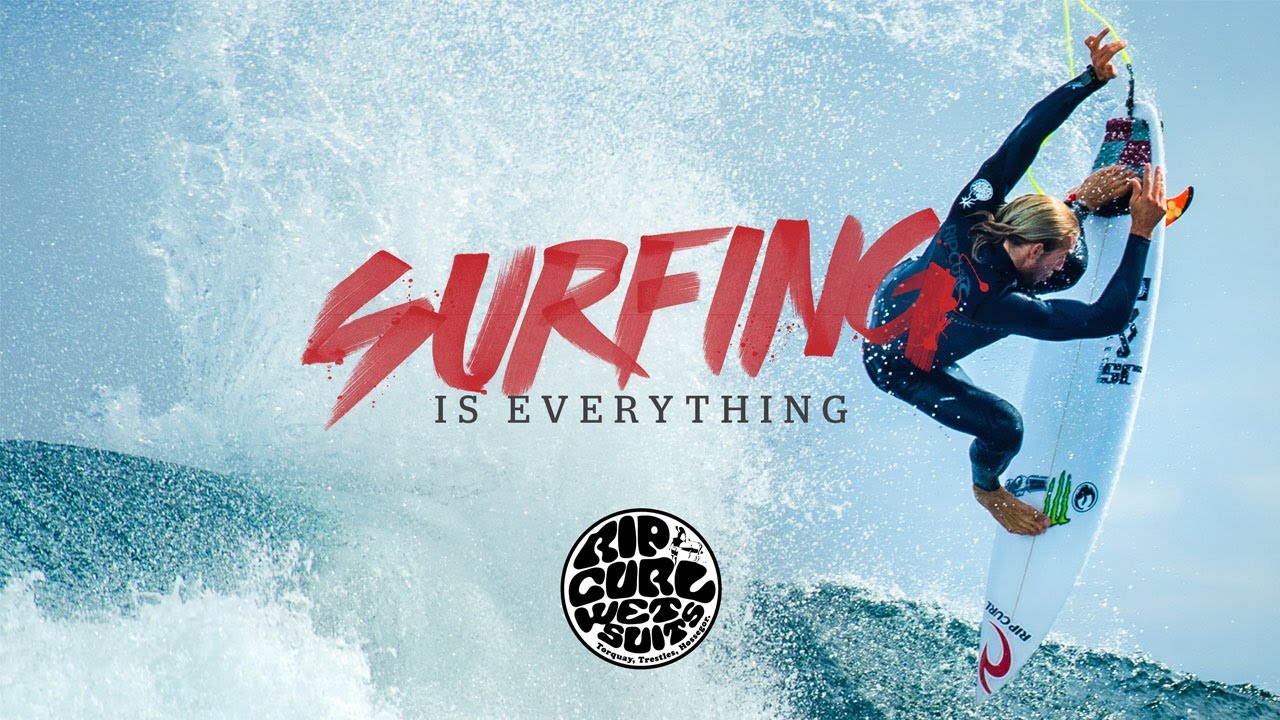
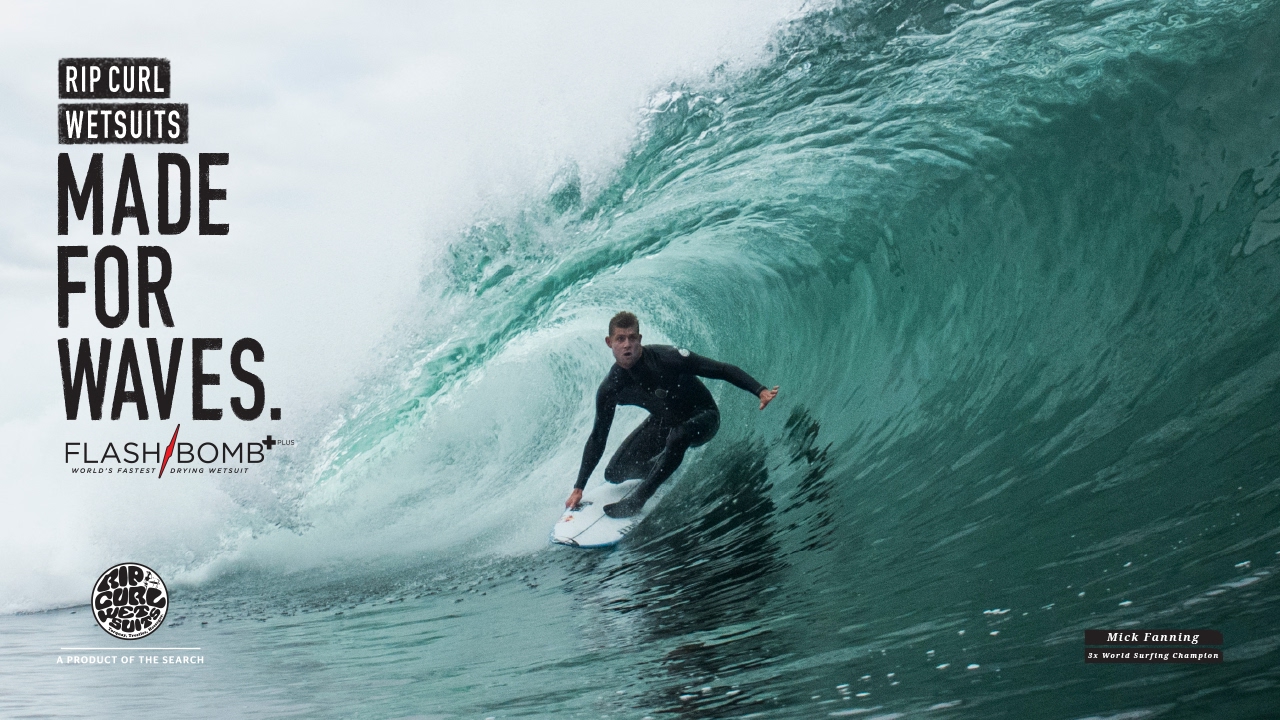
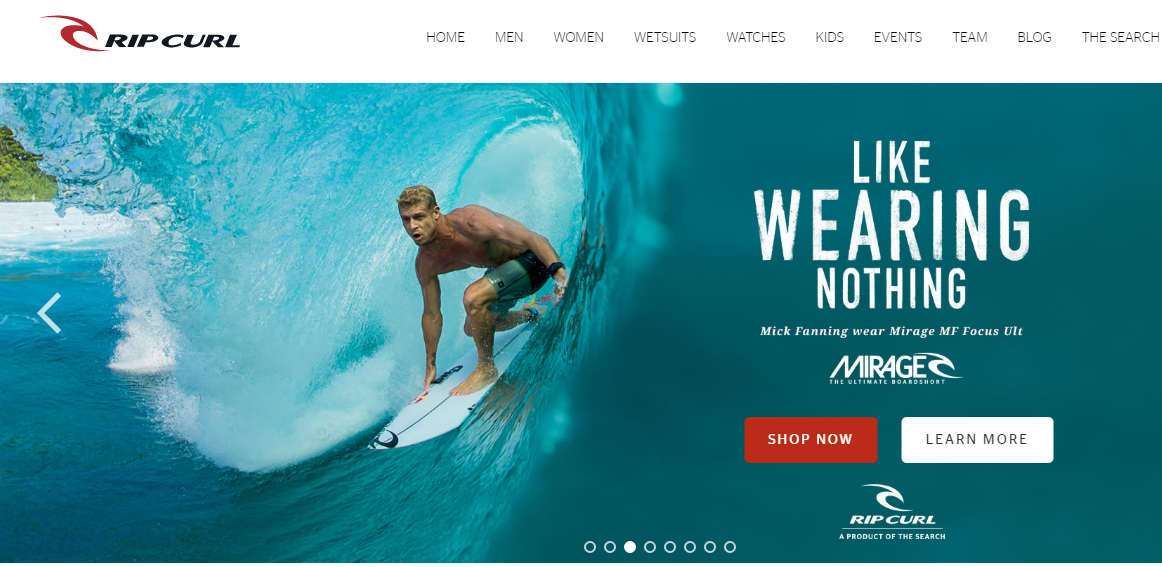
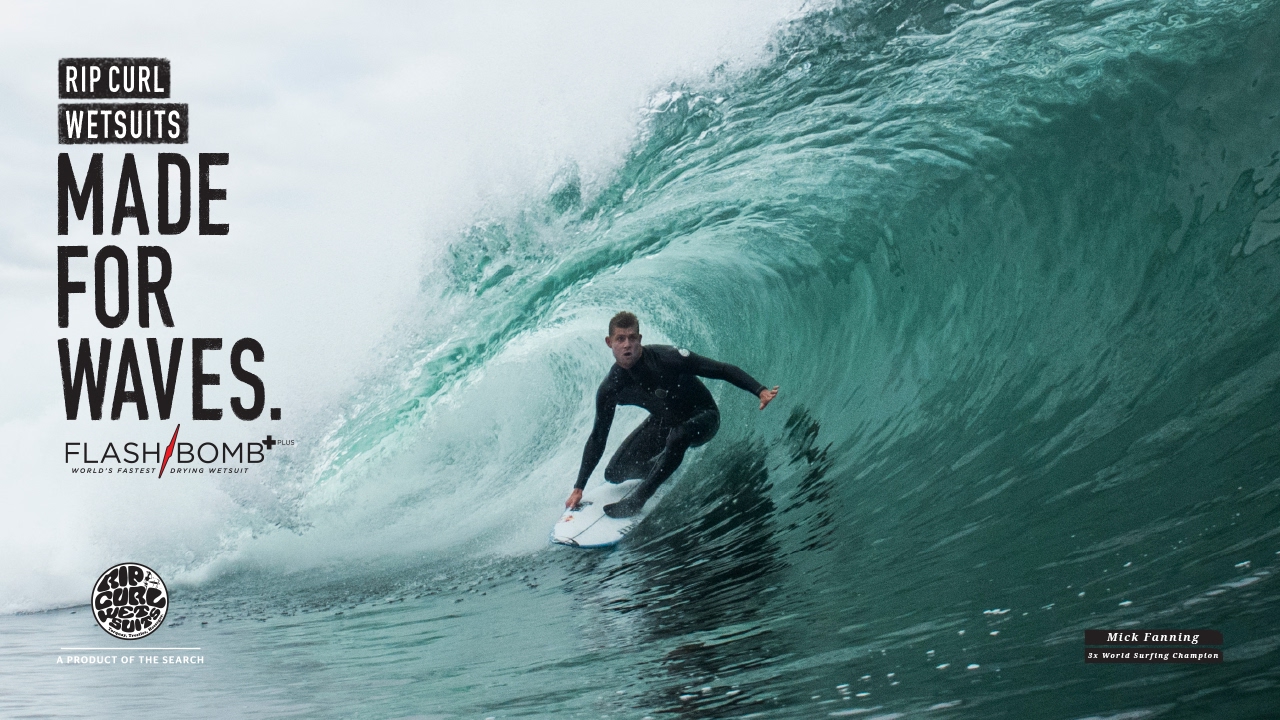
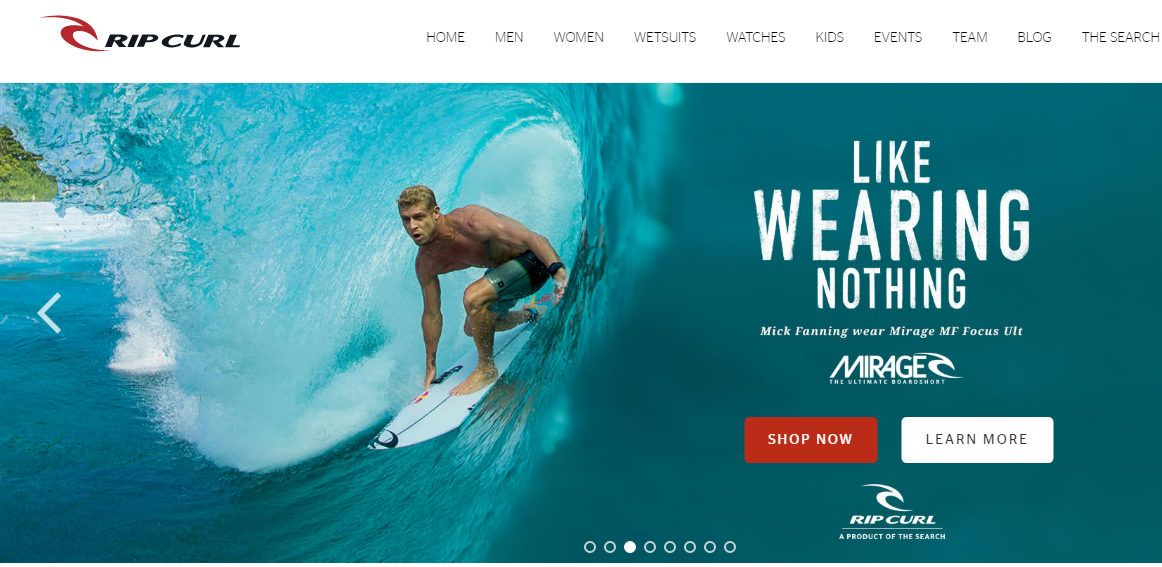
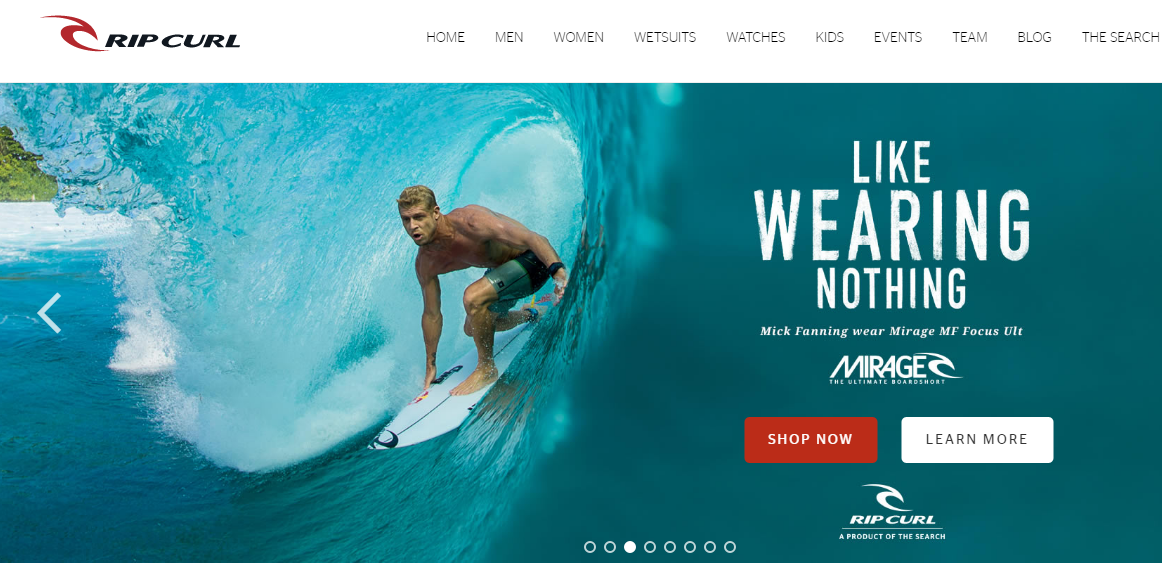
Rip Curl portrays particularly low involvement advertising, that are easily engaged and recognised across Australia due to their simplicity and repetition of simple slogans. The abundant classical conditioning methods present in rip curls ads can be seen through their large images in their stores, billboards or across their social media that all entice the similar responses from consumers and can be directly associated with the brand. As seen in these images portray perfect tropical locations that, this consumers base highly associates with.
These photos are typically edited with warm tones and enticing colours that create that summer feel, this helps consumers gauge the level of recognition between previous advertisements, and eventually stimulate a similar response that Rip Curls products belong in these perfect locations and hence so does the consumer. The slogans themselves “the search”, “Surfing is everything”, “made for waves”, “made for surfers by surfers” “like wearing nothing”. These are all slogans that together create a non-conditioned response by the consumer and the short whitty surf based slogans in tropical destinations tie together and link in consumers minds.
Using the Pavlovian Model and really trying to break down rip curls marketing strategy it can be seen that the unconditioned stimulus is Rip Curls physical stores or products, and the conditioned stimulus is the variation of slogans and images in their ads. This then entices a conditioned response where the images engage people to enter the stores.
As consumers are further exposed to these ads, a non-conditional response is the transaction of purchasing the clothes and subconsciously associating the products with the locations, laid back lifestyle and overall advertisements messages.
This strategy is confirmed by (Ivan Pavlov’s 1936) statement “Establishing a relationship between stimulus and response to bring about the learning of the same response to a different stimulus”.
Rip Curl Campaigns – Displaying Classical Conditioning

Motivation
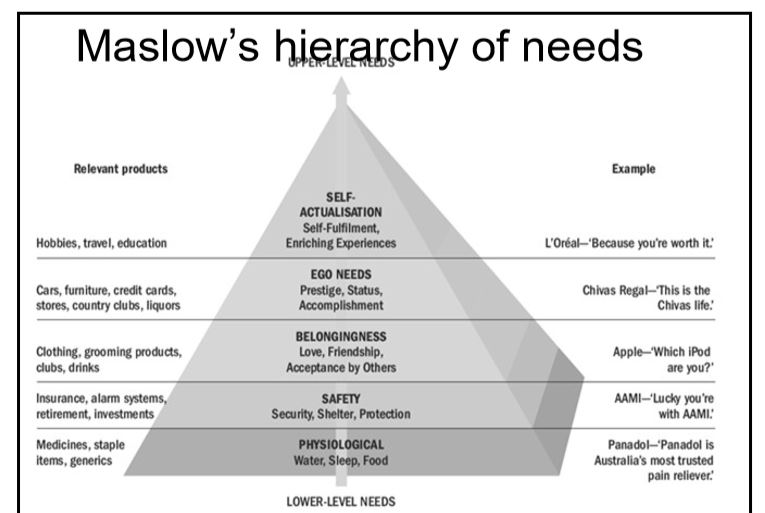
The second behavioural approach is the motivation of consumers. “Consumer motivation is an internal state that drives people to identify and buy products or services that fulfil conscious and unconscious needs or desires” (Wilson, 2016). Based on Maslow’s hierarchy of needs Rip Curls products fall in the middle tier of the pyramid in the “Belongingness” section. As you can see on the pyramid it specifically outlines “clothing and the acceptance by others”. Although there is a basic need for clothing, the motivational levels of consumers in the surf clothing industry increase in demand, drastically in the summer periods due to being a seasonal product.
Warmer weather obviously equals and increase in beach apparel sales. (IBIS 2018) states “Industry revenue is expected to grow at an annualised 2.4% through 2018-19”. Rip Curl specifically capitalises on its brand image and social status as a motivating factor for purchase decisions, when people wear Rip Curl products they belong to a certain social group where they fit in, and are apart of the surf culture scene. “The intangible resources accrued via involvement, such as information, affiliation, and status may be motivation for consumers to interact with the brand.” (J. Molina, 2008).
SOCIAL INFLUENCING
The third behavioural approach is social influencing, which is one of Rip Curls main marketing techniques. Being a brand that is about surfing, a healthy & laid back lifestyle there’s no question that its content performs well across all media platforms. Rip Curl focus on a type of referent group known as Aspirational. An aspirational group is composed of celebrities and other high profile people such as sports stars that people look up to.
(Rani, 2014) states “Reference groups are defined as those that provide the individual some points of comparison more or less direct about his behaviour, lifestyle, desires or consumer habits. This aspirational group will have a direct influence on the consumer, who is wishing to belong and willing to buy products in order to fit in”. Rip curl as a brand has understood this very well and are able communicate efficiently the social benefit provided by their products.
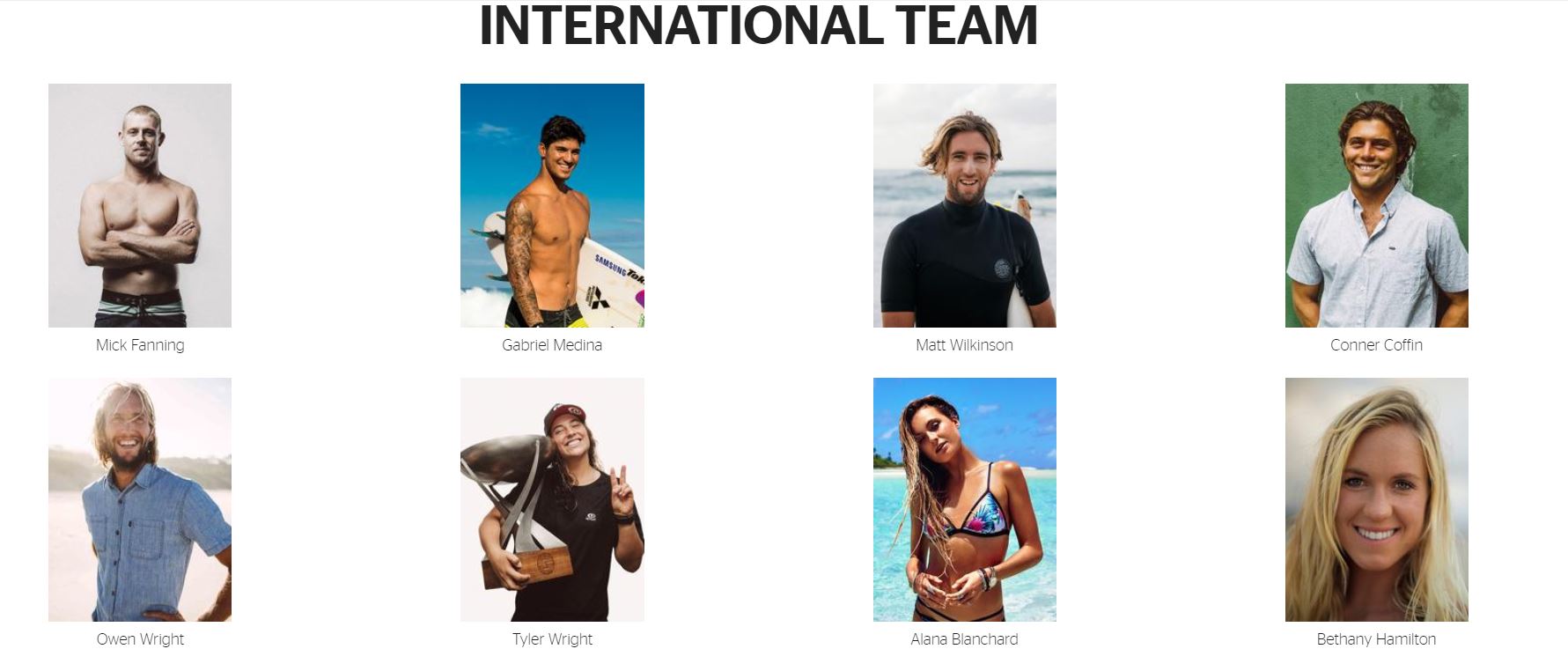
Their main type of influencers at Rip Curl are professional surfers, and social influences such as models on Instagram. (Degrisi, 2009) states that “Influencers must contribute to some or all of the four structures; trustworthiness, attractiveness, expertise’ and then attitudes and intentions to the products which advertised by their celebrities.” These are the foundations that influencers must have to provide an effective message.
On the other hand, the professional surfers also possess legitimate power as they have earned their reputation though competition and only support the brands that they believe make the best products. When the best surfers in the world endorse your brand, their social influence is phenomenal. (Olenski, 2016) stated “Just one endorsement from a sports professional can spell an increase in sales by 4%, almost immediately. This is why businesses would be foolish to resist exploration of celebrity influencers”. This is how Rip curl continues to dominate the marketplace and maintain a firm competitive advantage through knowing their customers behavioural patterns, traits and motivations.
REFERENCING
Wells, VK 2014, ‘Behavioural psychology, marketing and consumer behaviour: a literature review and future research agenda’, Journal of Marketing Management, vol. 30, no. 11–12, pp. 1119–1158, viewed 26 May 2019, https://search-ebscohost com.ezproxy.uow.edu.au/login.aspx?direct=true&db=bth&AN=98529886&site=eds-live
Martín-Consuegra, D, Díaz, E, Gómez, M & Molina, A 2019, ‘Examining consumer luxury brand-related behavior intentions in a social media context: The moderating role of hedonic and utilitarian motivations’, Physiology & Behavior, vol. 200, pp. 104–110, viewed 26 May 2019, https://search-ebscohost-com.ezproxy.uow.edu.au/login.aspx?direct=true&db=psyh&AN=2018-14431-001&site=eds-live
Steve Olenski, Jul 20, 2016, ‘How Brands Should Use Celebrities For Endorsements’ Pg 1-3 Viewed may 27, https://www.forbes.com/sites/steveolenski/2016/07/20/how-brands-should-use-celebrities-for-endorsements/#4dee8de65593
Pinki Rani ‘Factors influencing consumer behaviour’ 2014, 2(9) pg52-61 http://www.retawprojects.com/uploads/Pinki_Rani.pdf?fbclid=IwAR3zafKXel0I3Shp1q3yfewYiyVFfeZ9B4-Bh7Wpy3Q4AMQJo_5RQZZc3IM
https://www.strategyr.com/MarketResearch/Surfing_Market_Trends.asp
https://www.chegg.com/homework-help/definitions/conditioned-vs-unconditioned-response-13
‘How the Conditioned Stimulus Works in Classical Conditioning’ By Kendra Cherry, Updated May 04, 2019.https://www.verywellmind.com/what-is-a-conditioned-stimulus-2794975
‘What Is Consumer Behavior in Marketing? – Factors, Model & Definition’ Tara Schofield 2003.







 RIPCURL